AI Photoshoot: A Full Product Shoot from One Photo
A commercial product shoot is a shot list, not a single picture: a hero frame, four or five angles, a macro detail, and a scene the product lives in. This page walks that list frame by frame, and every item on it is shot from the same upload.
Free to start · No credit card · Works with any phone photo
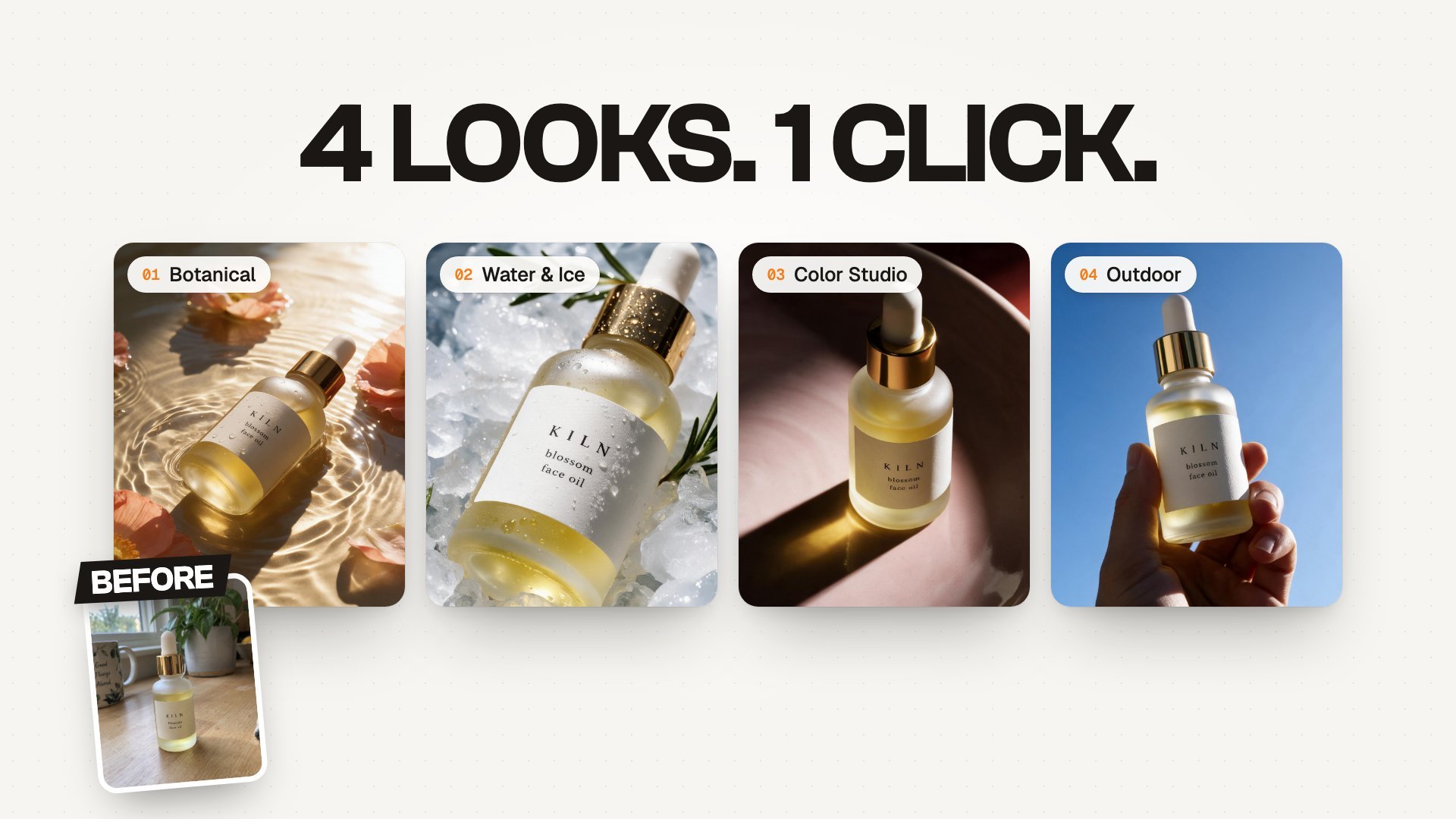
The Shot List
What a Product Photoshoot Actually Delivers
Photographers do not hand back one picture. They hand back a list of frames, each with a job. These are the four that carry a listing — what each one is for, and the rules each one is shot under.
The One Image That Works at 200px
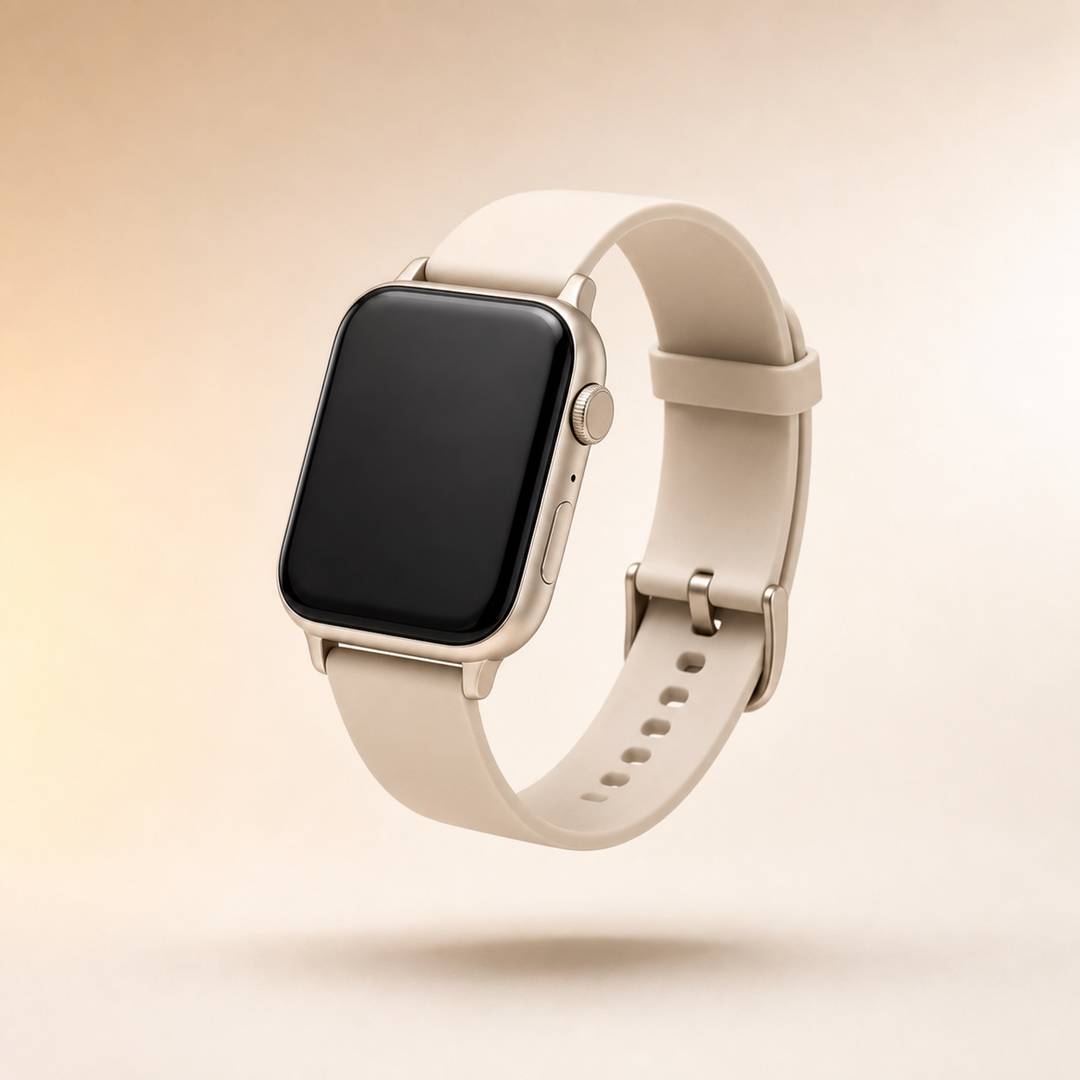
The opening frame has to survive as a thumbnail in a search grid, so it is shot tight: product turned three-quarters, filling 85% or more of the frame, on a ground that adds nothing. Studio photographers reach for an 85–105mm equivalent lens here, because anything wider bows straight edges and fattens whatever is nearest the camera — a phone's 13mm ultra-wide is the usual reason a home-shot bottle looks swollen.
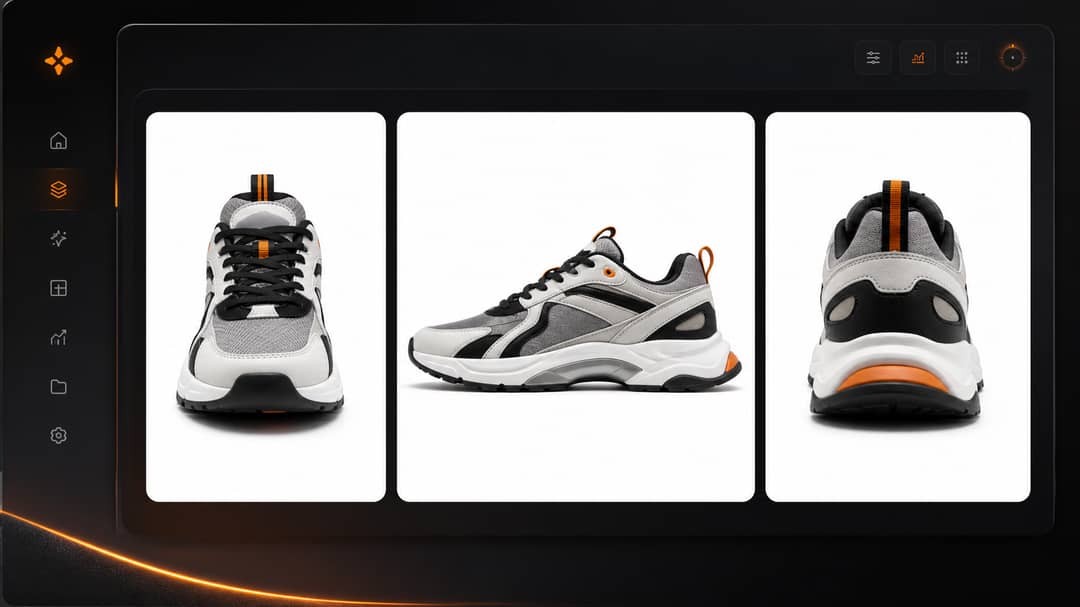
Five Frames That Answer the Questions
Front, back, both sides, and a top-down: five or six angles is the point where buyers stop messaging to ask what the other side looks like. There is room for them — Amazon accepts nine images on a listing and shows seven, Etsy allows ten photos, eBay gives twenty-four free slots, and Shopify takes up to 250 per product. Angle frames are what fills the gap between slot two and the end of the carousel.
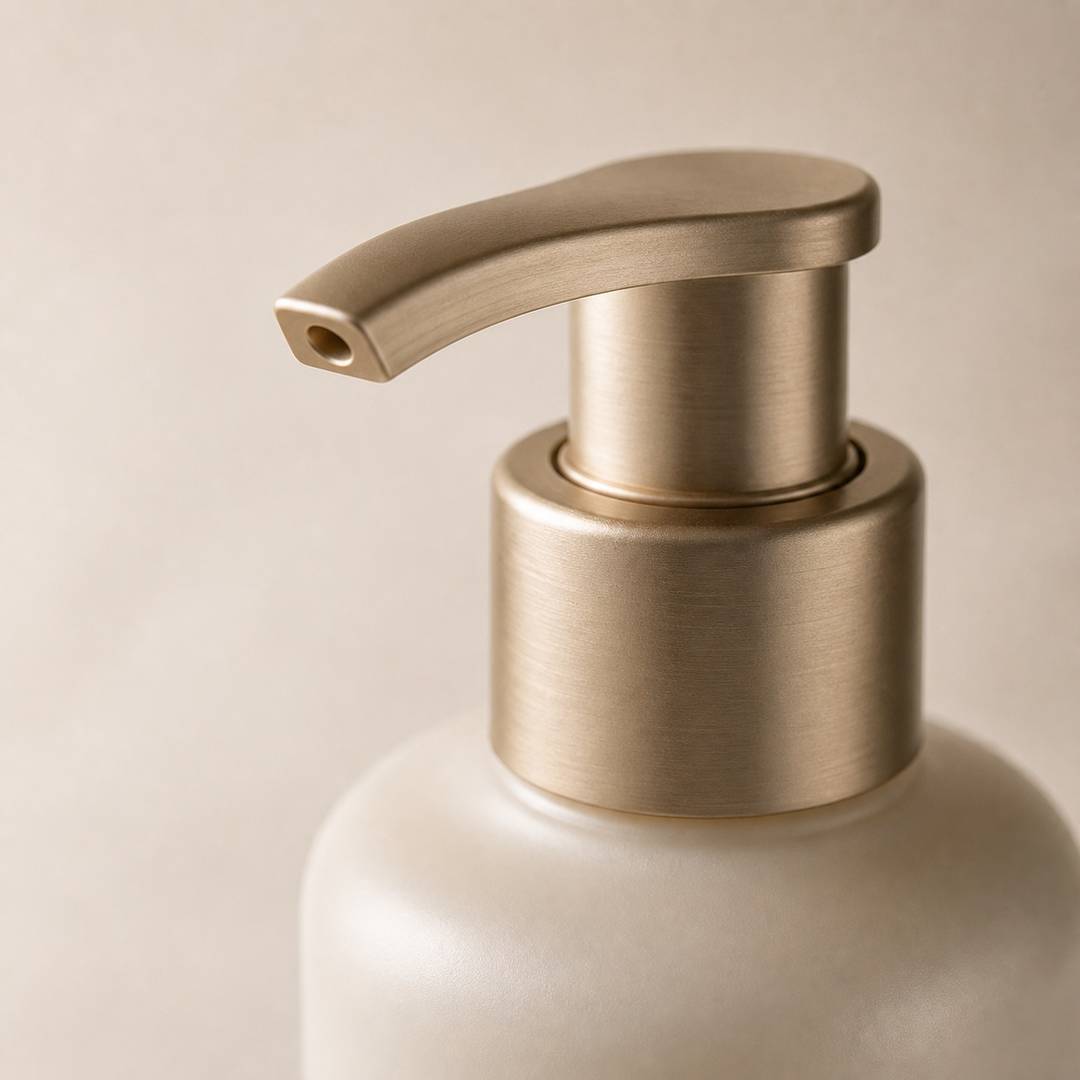
Macro Frames Carry the Material Story
One or two close-ups do the work a description cannot: the weave, the clasp, the seal, the milled edge, the ingredient panel someone reads before they add to cart. Shoot them tight enough to show texture but not so tight the object stops being recognisable, and keep any printed text large enough to stay legible when the frame is scaled down to a 300px module on a brand page.
Scene Frames Settle Scale and Context
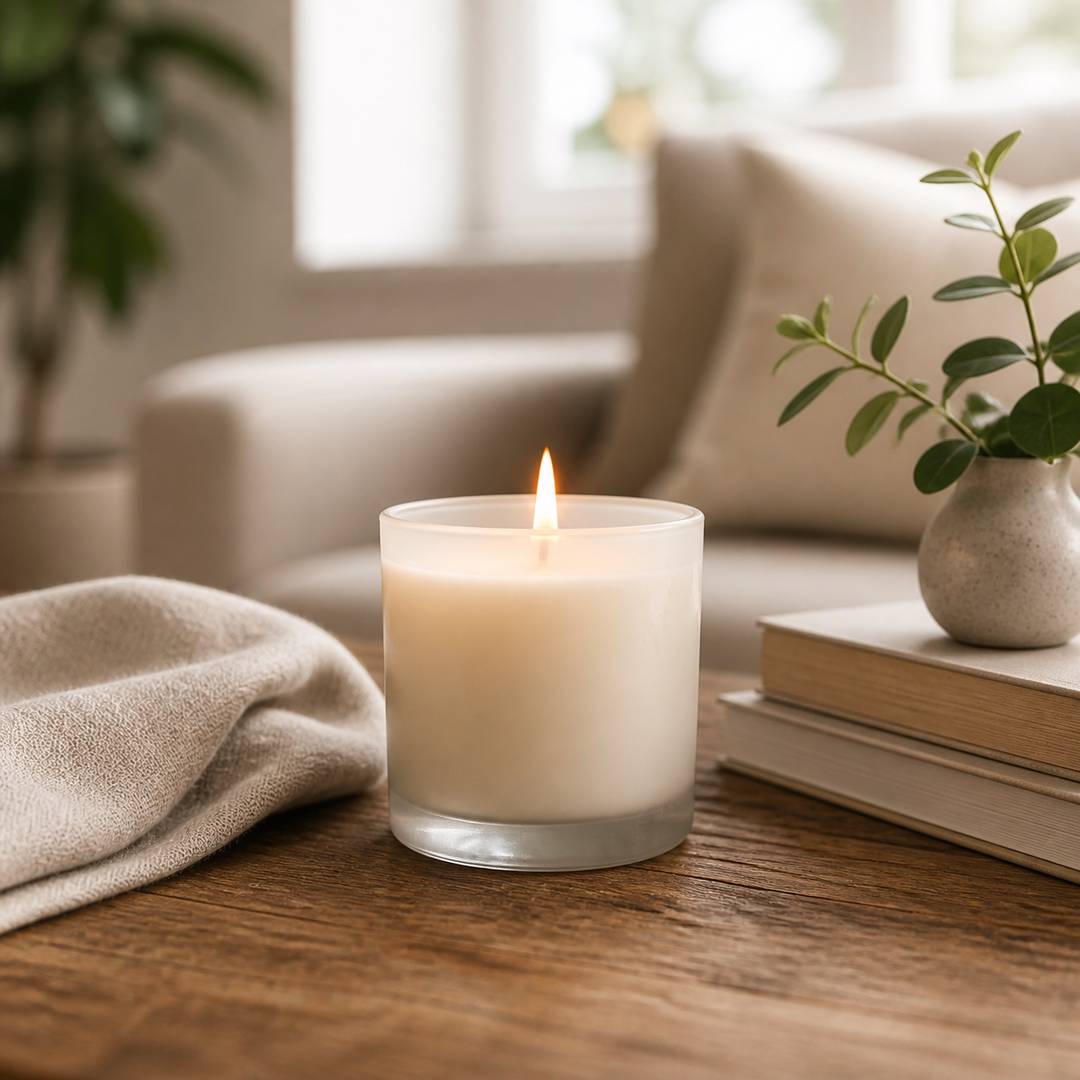
Two or three in-use frames answer the question no white-background shot can: how big is it, and where does it go? A candle beside a book reads as a candle-sized object instantly. Props are exactly where marketplaces draw their line — most main-image rules ban anything that is not the product itself, and then expect context from image two onward, so scene frames are built for the secondary slots.
How It Works
Work the Shot List in Three Steps
One upload stands in for the sample, the studio booking, and the shoot day. The list above is worked through frame by frame in a single sitting.
01Upload the Product Once
One clear photo is the whole booking. The AI reads shape, proportion, material and finish from it, then reuses that read on every later frame — which is what keeps the hero, the angles and the scene shots looking like the same physical object.
02Shoot Frame by Frame
Pick a template per item on the list — hero, angle, macro, scene — or write the setup in plain words. Each run returns up to four takes of that frame, so a shot is chosen rather than accepted, the way a photographer culls a tethered session.
03Deliver the Whole Set
Export each frame in the ratio its slot wants — square for listing grids, 4:5 and 9:16 for feeds — and send anything headed for a zoom view or a print sheet through the one-click upscale to 4K first.
What a Booked Shoot Costs You Instead
The comparison worth making is not image against image — it is calendar against calendar, and invoice against invoice.
Two Weeks Becomes One Sitting
A booked shoot runs roughly two to four weeks end to end: quoting, shipping samples, the shoot day itself, then retouching. Here a frame comes back in about 10–30 seconds and a run of four variations in about a minute, so the calendar stops being a reason not to reshoot.
Per-Image Prices, No Day Rates
Commercial product photography is commonly quoted around $25–$150 per finished image, or $500–$2,500 for a studio day before retouching is added. A month of a paid plan here sits under the price of a single traditionally shot frame.
Reshoot Without Reshipping
New season, new marketplace, new ad angle — the product never leaves your shelf, because the original upload is the sample. A second shoot costs credits instead of another courier run and another fortnight.
AI Photoshoot FAQ
What sellers ask before they replace a booking with an upload.
Want the craft behind the frames? Read our product photography lighting guide, or open the AI product photo generator and shoot the hero frame first.
The same shot list a studio would: one hero frame, four to six angles, one or two macro details, and two or three in-use scenes. Around ten to twelve usable frames per product is the normal output, which fills a marketplace carousel and still leaves spares for ads and social.
More than most sellers upload. Amazon accepts nine images and displays seven, Etsy allows ten photos plus a video, eBay includes twenty-four free slots, and Shopify permits up to 250 per product. Six to eight strong frames covers a listing; the rest of the slots are for variants and seasonal swaps.
Yes, and that is where it pulls away from a studio day. Running the same template across twenty SKUs holds the lighting direction, the shadow and the framing steady between them, so a category page reads as one shoot instead of twenty. A booked session gives you that only if every SKU is on the table the same afternoon.
If you use one of the built-in preset models, no real person was photographed, so there is no release to collect and no usage window to renew. If you upload a photo of a real person as the model reference, the normal rules apply: you need their permission for the way you plan to publish it.
Anything whose value sits in fine printed text — supplement panels, dense ingredient lists, serial plates — plus fine mesh, chain, and multi-layer transparent packaging. The practical fix is to shoot those as macro frames from a high-resolution upload, where the text is large in the frame, rather than expecting it to hold up at hero scale.
Yes. Everything is generated from an existing photo, so the physical product does not need to be in your hands. Sellers typically restage last year's hero frame for a holiday set in the same sitting rather than recalling stock for a reshoot.
They are built to. The product read is taken once from your upload and reapplied to every frame, and each template carries a fixed lighting direction and shadow treatment. Mixing templates with opposite light directions inside one carousel is the one thing that breaks the illusion, so pick a direction and stay with it.
Run Your First AI Photoshoot Free
Upload one photo and get the first frame of the shot list back in seconds.
Start Free